
Exploring America’s Most Respected Colleges for a Career in Vision Care
Choosing an optometry program can feel a little like shopping for glasses, plenty of options look promising until you examine the details. A future eye doctor needs more than a recognizable college name. The right education should build scientific knowledge, develop patient communication skills, and offer substantial supervised clinical practice. That’s why searches for optometry schools ranked are useful as a starting point, but not as a final answer. There isn’t an official league table endorsed by the Association of Schools and Colleges of Optometry. Instead, applicants benefit from comparing programs on the things that will actually shape their education and career.
Several familiar institutions deserve a place on a prospective student’s research list. The University of California, Berkeley, The Ohio State University, SUNY College of Optometry, and Illinois College of Optometry are among the established options offering professional optometry education. Each has its own setting, curriculum, and approach to clinical learning. An urban campus may offer a different everyday experience from a larger university environment. Yet no school’s name alone can reveal whether it suits a particular student. Explore official program pages, speak with current students when possible, and pay attention to the learning atmosphere as much as the glossy photographs.
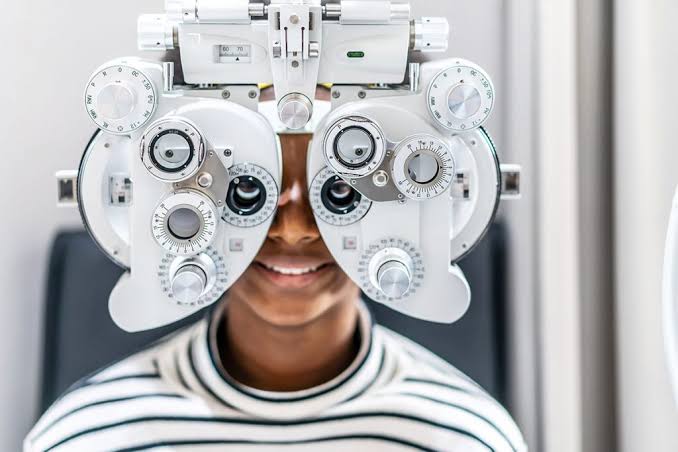
Accreditation should come before prestige in any serious comparison. In the United States, the Accreditation Council on Optometric Education evaluates professional optometry programs against educational standards. Confirm a school’s current accreditation status, then dig into the training itself. When do students begin working with patients? Which specialty clinics and external rotations are available? How much guidance comes from experienced clinicians? Exposure to different ages, eye conditions, and communities can prepare graduates for the unpredictable reality of practice. A school with exciting research projects might be appealing, but everyday opportunities to develop sound clinical judgment deserve equal consideration.
Then comes the practical side, which is easy to underestimate when a campus tour goes well. Tuition, housing, equipment, fees, and travel can add up over four years of professional study. Scholarship availability and financial aid policies may change the comparison considerably. Ask about National Board of Examiners in Optometry examination pass rates, graduation outcomes, academic support, and class size. Compare figures from equivalent years rather than accepting a single impressive statistic. Location also matters, particularly for students with family responsibilities or plans to practice in a specific region. Sometimes the strongest fit is the program that balances excellent training with a manageable financial commitment.
Ultimately, a good school choice is personal, not a contest to collect the most prestigious acceptance letter. Use optometry schools ranked searches to discover possibilities, then replace broad claims with verifiable questions. Read accreditation information, attend admissions events, visit clinics if tours allow, and ask graduates what surprised them about their training. Keep a simple comparison of costs, clinical experiences, student support, and career goals. Most importantly, think about the kind of optometrist you hope to become. A program that challenges you, supports your growth, and gives you meaningful patient experience can be more valuable than a flattering position on an unofficial list.
…