
A Closer Look at How Plumbers Restore Damaged Water Supply Lines
A kitchen faucet that suddenly delivers only a thin stream can throw off an entire morning. Filling a coffee pot takes forever, laundry gets postponed, and everyone starts wondering whether the problem is inside the house or somewhere underground. A damaged supply line is one possibility, but guessing at the cause rarely gets water flowing again. That’s where professional water line and pipe repair comes into the picture. Plumbers follow a practical sequence, from checking the symptoms to choosing the right fix, so homeowners can understand what’s happening rather than facing a confusing list of repairs.
Before lifting a wrench, a plumber usually wants to know what has changed. Is the pressure low at every fixture, or only one? Has the yard developed a soggy patch? Is the water meter registering use while all taps are off? Answers like these help separate a possible supply line failure from an issue with a single faucet, shutoff valve, or household appliance. The plumber may inspect exposed piping, measure pressure, and evaluate the meter and main shutoff. When the suspected line runs beneath a driveway or lawn, additional locating equipment may help narrow the search. Careful assessment keeps needless digging to a minimum.
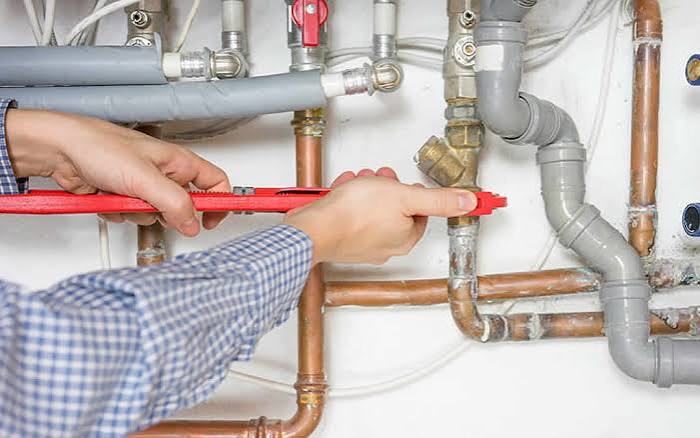
Once the damaged section is identified, the job becomes a matter of choosing an appropriate repair, not simply covering the troublesome spot. A sound copper pipe with one compromised joint might need a new fitting, while brittle or badly corroded material may be better replaced over a longer stretch. Plastic supply lines have their own approved fittings and installation requirements. Accessibility matters, too. A pipe running through an unfinished basement is different from one buried several feet below landscaping. Plumbers weigh those conditions, explain the options, and discuss how the planned work could affect water service and nearby surfaces.
Then comes the part homeowners are often most curious about: what actually happens during the repair? Water to the affected section is shut off, and the line is safely drained before cutting or disconnecting components. The technician removes damaged material, installs compatible pipe or fittings, and supports and secures the assembly as needed. For buried lines, excavation may be required, although certain situations allow less disruptive replacement methods. Once everything is connected, the system is brought back into service carefully. Testing for leaks and proper pressure matters just as much as the new connection itself, otherwise, a seemingly finished job can leave an unwelcome surprise.
A successful repair should finish with more than water coming out of the tap again. Homeowners benefit from knowing what caused the failure, which areas were fixed, and whether other sections show signs of wear. A plumber may suggest pressure regulation, monitor older pipes, or plan a future replacement, depending on the condition of the system. When arranging water line and pipe repair, asking about the proposed materials, access work, cleanup, and post-repair testing can make the process easier to follow. Good communication turns a disruptive plumbing problem into a manageable project, and helps families return to ordinary routines with greater confidence in their water supply.
…