
Understanding AC Emergencies: A Parent’s Guide to Keeping Kids Safe
When summer rolls around, having a functioning air conditioning system isn’t just a comfort; for families with young children, it can be a matter of safety. Children are particularly vulnerable to heat-related illnesses, and knowing what temperature is no AC an emergency is crucial for their well-being. You might assume that a little discomfort is manageable, but when temperatures soar past 85 degrees Fahrenheit, you should start considering the potential risks. The heat can escalate quickly, leading to dehydration, heat exhaustion, or even heat stroke, particularly in infants and toddlers whose bodies regulate temperature less efficiently than adults.
If your air conditioning system has broken down and the mercury is rising, it’s essential to act fast. Open windows and use fans to circulate air, but be mindful of outdoor temperatures. If it’s hotter outside than in your home, that won’t help. You can create a makeshift cooling area by hanging wet sheets in front of windows or placing bowls of ice in front of fans to cool the air. Monitor your little ones closely during this time; keep them hydrated with cool fluids and dress them in lightweight, breathable clothing.
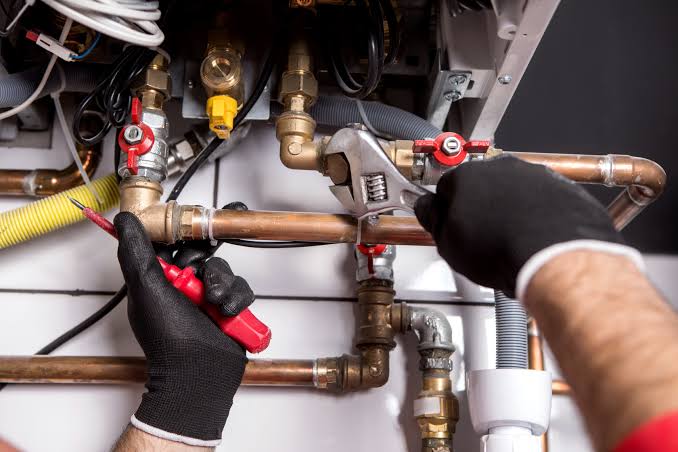
If your HVAC system is more than a decade old, it might be time to consider an upgrade. Modern units are more energy-efficient and can handle extreme temperatures effectively, ensuring that your home remains a safe haven during sweltering days. If you’re unsure of whether a breakdown constitutes an emergency, check resources like https://libertyheatingcoolingandplumbing.com/what-temperature-is-no-ac-an-emergency-st-louis/. This can help you gauge whether to call for immediate repairs or if you can wait it out with temporary solutions.
In the event of a prolonged outage, consider temporary relocation to a friend’s house or a community cooling center, especially if the temperature is forecasted to remain high. Your child’s health is paramount, and knowing the signs of heat stress, such as excessive sweating, irritability, or lethargy, can help you take the right steps quickly.
Ultimately, being proactive about your home’s cooling system and understanding the specific needs of your family can make all the difference. Stay informed and take action swiftly to ensure a safe and comfortable environment for your little ones during those hot summer months.